The Post-Melatonin Era Has Begun
A groundbreaking 2025 study from the American Heart Association has revealed alarming new data: long-term melatonin use increases the risk of heart failure by 90% and nearly doubles all-cause mortality. What was once considered a “natural” sleep hormone is now under intense scientific and regulatory scrutiny, thus placing brands who continue to rely on melatonin in a vulnerable position.
At the same time, CBN (cannabinol) has emerged as a next-generation, non-hormonal sleep ingredient that improves sleep quality through endocannabinoid and adenosine pathways—without next-day grogginess, tolerance buildup, or cardiovascular risk. Clinical results now show significant improvement in sleep quality at 50 mg doses with no adverse safety findings.
For innovative brands, this moment represents both a wake-up call and a competitive opportunity: reformulate now to align with consumer demand for safer, science-backed sleep ingredients—or risk being left behind in the post-melatonin era.
The $2.8 Billion Melatonin Problem
The global melatonin supplements market reached $2.84 billion in 2024, with projections showing continued growth at 14.9% annually through 2034. Americans consume more melatonin than ever before, with usage increasing by over 400% from 1999 to 2018. But this massive market expansion has occurred without adequate long-term safety research... until now.
Recent findings from the American Heart Association's 2025 Scientific Sessions have fundamentally altered our understanding of melatonin's risk profile. What the supplement industry marketed as a natural, harmless sleep aid now carries documented risks of heart failure and premature death that demand immediate attention from formulators and brand managers.
The hormone works by binding to melatonin receptors in the brain to signal sleep timing. Most supplements contain 1-5mg, though many products reach 10mg or higher. Beyond the well-documented issues with next-day grogginess and tolerance development, new data suggests melatonin may pose life-threatening risks with chronic use that fundamentally challenge its position in the sleep aid market.
Eye-Popping New Safety Data on Melatonin
The November 2025 American Heart Association study examined 130,000 adults with insomnia over five years and found alarming associations with chronic melatonin use. The research, presented at the organization's premier scientific conference, revealed that participants taking melatonin were:
- 90% more likely to be diagnosed with heart failure
- Nearly twice as likely to die from any cause over five years
- 3.5 times more likely to require hospitalization for heart failure
- Significantly more prone to cardiovascular events across all age groups
These aren't minor side effects or statistical noise. We're examining life-and-death outcomes in a study population large enough to detect real safety signals. Dr. Adaora Nnadi, the study's lead researcher, noted that "melatonin supplements may not be as harmless as commonly assumed," which feels like a massive understatement given the mortality data.
The cardiovascular risks appear linked to melatonin's complex hormonal effects on blood pressure regulation, heart rhythm, and vascular function. The hormone influences multiple physiological systems beyond sleep, including immune function, inflammation pathways, and metabolic processes that may compound over time with regular supplementation.
The Mechanism Behind Melatonin's Risks
Understanding why melatonin poses cardiovascular risks requires examining its broad physiological effects. Unlike targeted sleep aids, melatonin acts as a master hormone that influences multiple body systems simultaneously.
Cardiovascular Impact: Melatonin affects heart rate variability, blood pressure regulation, and vascular tone. Chronic supplementation may disrupt natural circadian rhythms that govern cardiovascular function, leading to irregular heart patterns and increased strain on cardiac muscle over time.
Inflammatory Pathways: The hormone modulates inflammatory responses throughout the body. While short-term anti-inflammatory effects might seem beneficial, chronic manipulation of these pathways could contribute to systemic inflammation and accelerated aging processes.
Metabolic Disruption: Melatonin influences glucose metabolism, insulin sensitivity, and lipid profiles. Long-term use may contribute to metabolic dysfunction that increases cardiovascular disease risk independent of its direct cardiac effects.
Immune System Interference: The hormone plays complex roles in immune function regulation. Chronic supplementation could potentially compromise immune responses or contribute to autoimmune processes that affect cardiovascular health.
The Hidden Costs of Melatonin Dependence
Beyond the cardiovascular and mortality risks, melatonin presents additional challenges that brands must consider when formulating sleep products for long-term use.
Tolerance and Escalation: Regular melatonin users frequently report diminishing effectiveness over time, leading to dose escalation that compounds safety risks. Many consumers progress from 1-3mg to 10mg or higher, well beyond physiological melatonin levels.
Rebound Insomnia: Discontinuing melatonin after chronic use often triggers severe rebound insomnia, creating dependency cycles that keep consumers trapped in potentially harmful supplementation patterns.
Next-Day Impairment: The "melatonin hangover" affects productivity, driving safety, and cognitive performance. This side effect alone has driven millions of consumers to seek alternatives, creating market opportunities for non-hormonal options.
Circadian Disruption: Paradoxically, chronic melatonin use can disrupt natural circadian rhythms rather than supporting them, leading to worsened sleep quality over time.
CBN Clinical Evidence and Safety Profile
While melatonin research reveals mounting safety concerns, CBN studies demonstrate promising efficacy without cardiovascular risks. Recent clinical trials have provided the first objective evidence of CBN's sleep benefits.
University of Sydney Research: Published in Nature Neuropsychopharmacology in November 2024, this landmark study showed that CBN significantly increased both REM and non-REM sleep in laboratory subjects. The research represents the first objective measurement of CBN's sleep effects using polysomnography rather than subjective reporting.
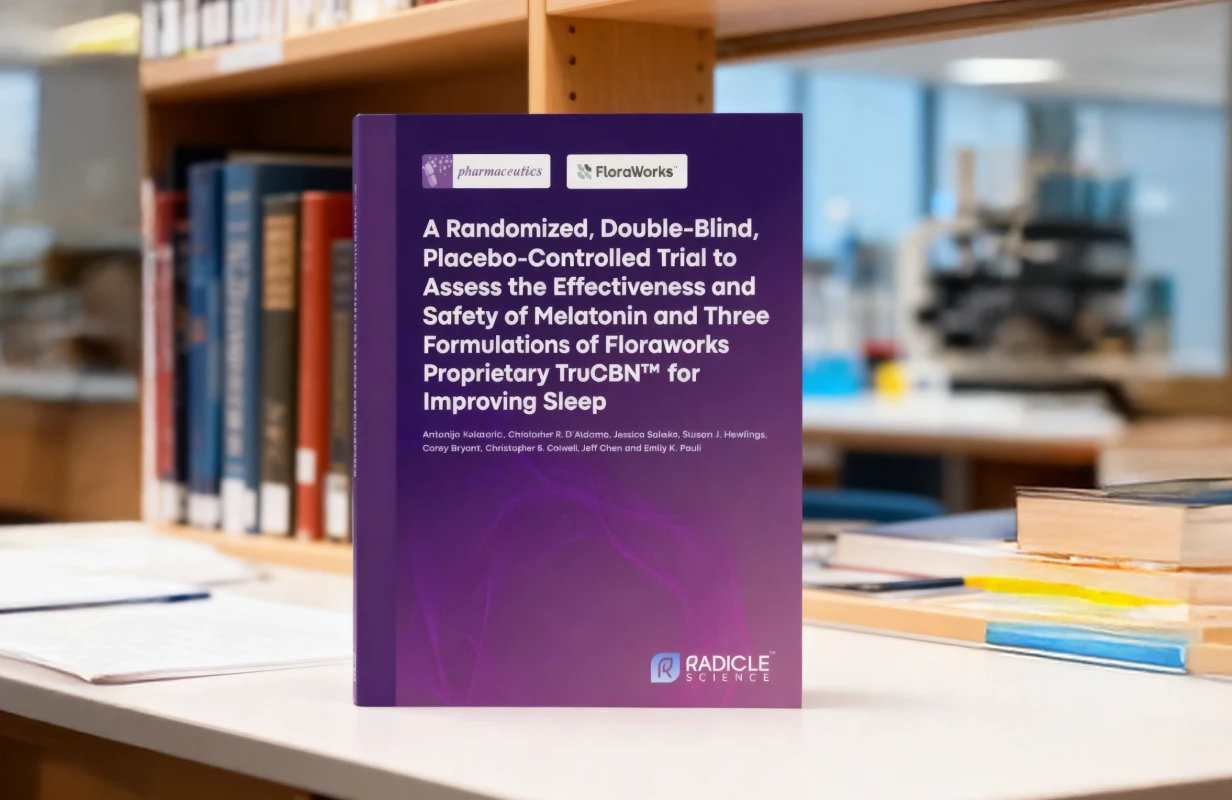
Human Clinical Trials: Multiple ongoing studies are examining CBN's effects on sleep architecture and next-day functioning. Early results from a randomized, double-blind, placebo-controlled trial comparing 30mg and 300mg CBN doses show promising safety profiles without the cardiovascular concerns associated with melatonin.
How CBN Works for Sleep Without Hormonal Risks
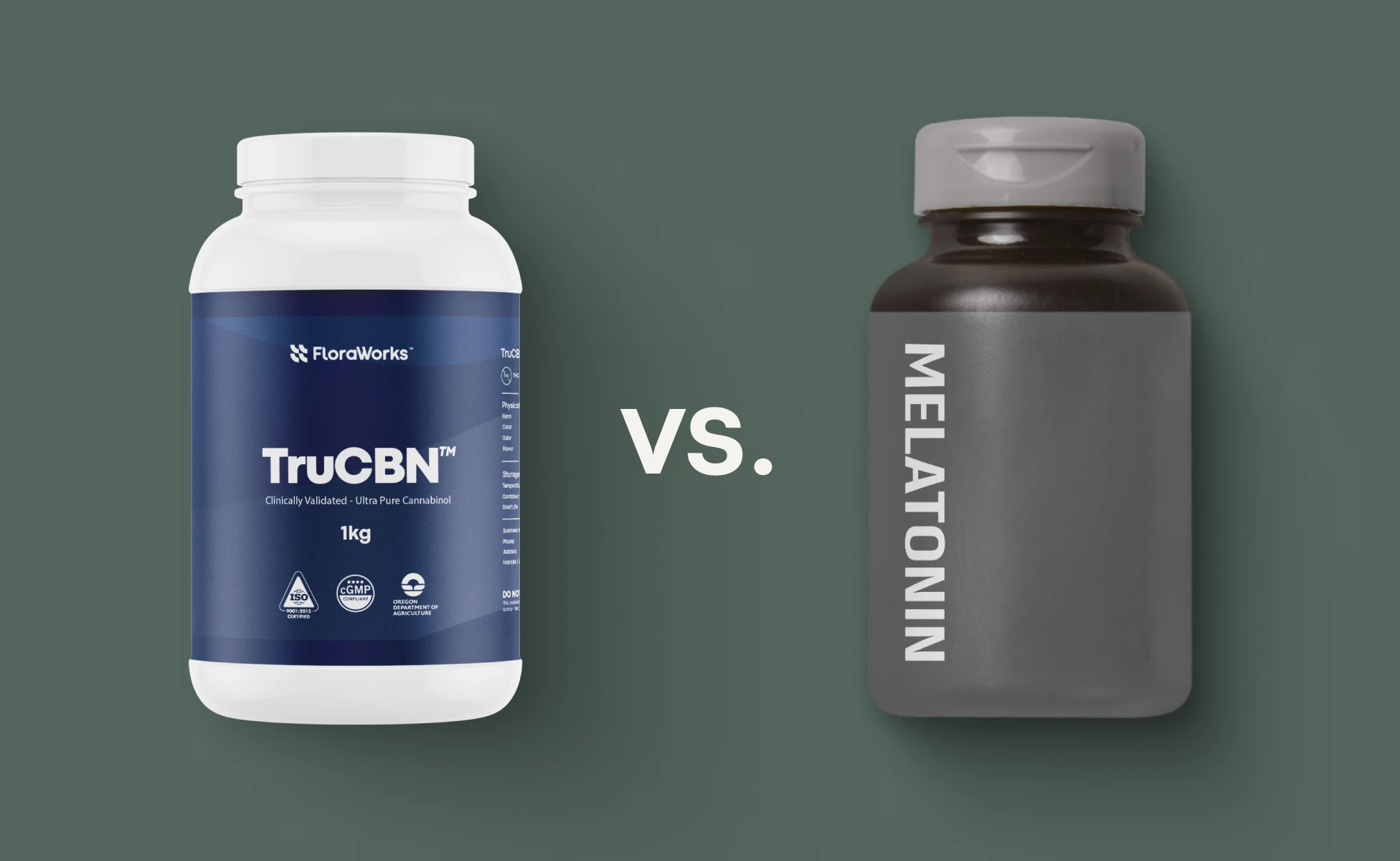
TruCBN™ supports sleep through a completely non-hormonal pathway, making it fundamentally different from melatonin. Instead of shifting the body’s circadian clock, CBN works with the brain’s own sleep-regulating systems—helping you wind down naturally, stay asleep longer, and wake up clear.
CBN lightly engages the endocannabinoid system, including CB1 and CB2 receptors that influence relaxation and sleep stability, without producing intoxication or hormonal disruption. It also appears to support adenosine, the molecule that builds “sleep pressure” throughout the day, making it easier for the brain to transition into deeper and more continuous sleep.
Importantly, CBN may also influence the orexin system, the same wakefulness pathway targeted by modern insomnia medications. By helping dial down nighttime hyperarousal, CBN supports better sleep maintenance without sedation.
CBN interacts with TRP channels involved in temperature regulation and discomfort—two common disruptors of sleep—while offering antioxidant and neuro-calming effects that help stabilize sleep architecture.
In a recent, polysomnography-based study of CBN, the University of Sydney’s Lambert Initiative found that CBN increased both REM and non-REM sleep and improved overall sleep stability, confirming its direct impact on sleep architecture.
At typical sleep doses (25–50 mg), TruCBN™ is non-intoxicating, non-hormonal, and supports deeper, more restorative sleep without next-day grogginess or rebound effects—a key difference from melatonin.
Market Opportunities in Post-Melatonin Sleep Aids
The emerging safety concerns around melatonin have created significant market opportunities for brands willing to invest in alternative sleep ingredients. The global sleep aid supplement market, valued at $6.8 billion in 2023 and projected to reach $11.8 billion by 2034, is ripe for disruption.
Consumer Demand Shifts:
- 73% of consumers express concern about long-term supplement safety
- 68% actively seek "natural" alternatives to synthetic hormones
- 54% report dissatisfaction with melatonin's next-day effects
- 41% have experienced tolerance issues with melatonin
Retailer Perspectives:
Major supplement retailers report increasing buyer interest in melatonin alternatives. Category managers note growing shelf space allocation for non-hormonal sleep aids and declining velocity for high-dose melatonin products.
Formulation Advantages of CBN:
Unlike melatonin's narrow therapeutic window and tolerance issues, CBN offers formulation flexibility across multiple delivery systems. The compound's stability and bioavailability make it suitable for gummies, softgels, tablets, and even beverage applications.
Regulatory Landscape and Compliance Considerations
The melatonin safety revelations have prompted regulatory scrutiny across multiple jurisdictions. While the FDA hasn't issued formal warnings, the agency has indicated increased interest in post-market surveillance of melatonin products.
International Responses:
- Health Canada reviewing melatonin classification and dosing limits
- European Food Safety Authority examining cardiovascular safety data
- Australia's Therapeutic Goods Administration considering prescription requirements
- UK's Medicines and Healthcare products Regulatory Agency evaluating OTC status
Compliance Advantages of CBN:
CBN's regulatory pathway offers several advantages over melatonin's increasingly complex landscape. As a non-hormonal ingredient with comprehensive safety data, CBN avoids the regulatory uncertainties now surrounding melatonin products.
TruCBN™ specifically offers brands regulatory confidence with full GLP toxicology data and planned FDA GRAS filing in Q4 2025. This proactive regulatory approach positions CBN-based products ahead of potential melatonin restrictions.
Formulation Strategies for Sleep Innovation
Forward-thinking brands are already developing next-generation sleep formulations that leverage CBN's unique properties while avoiding melatonin's risks.
Delivery Innovation:
TruCBN™'s formulation flexibility enables innovative product formats that weren't possible with melatonin's stability limitations:
- Fast-acting sublingual strips for rapid onset
- Time-release tablets for sustained sleep maintenance
- Beverage powders for customizable dosing
- Topical applications for localized effects
The Science of Sleep Architecture
Understanding how different sleep aids affect sleep architecture helps explain why CBN may offer superior long-term benefits compared to melatonin's hormonal approach.
Natural Sleep Cycles:
Healthy sleep involves multiple stages including light sleep, deep sleep, and REM sleep. Each stage serves distinct biological functions, from memory consolidation to physical restoration.
Melatonin's Limitations:
While melatonin can help initiate sleep, it doesn't necessarily improve sleep quality or architecture. Many users report feeling unrested despite sleeping longer, suggesting melatonin may not support the deeper, more restorative sleep stages.
CBN's Comprehensive Benefits:
The University of Sydney research demonstrates that CBN enhances both REM and non-REM sleep phases, suggesting more complete sleep architecture support. This may explain why CBN users report feeling more refreshed upon waking compared to melatonin users.
Pediatric Safety Concerns
The safety concerns around melatonin extend beyond adults. The CDC reported a 530% increase in pediatric melatonin ingestions between 2012-2021, with over 260,000 cases reported to poison control centers. This alarming trend has prompted calls for stricter packaging requirements and dosing guidelines.
Given the emerging cardiovascular and mortality risks in adults, the implications for children taking melatonin regularly are particularly concerning. Pediatric sleep specialists are increasingly recommending behavioral interventions over supplement-based approaches, creating additional market pressure on melatonin products.
Practical Takeaways for Product Teams
The melatonin safety crisis presents both challenges and opportunities for supplement brands. Companies that act quickly to reformulate around safer alternatives will gain competitive advantages as consumer awareness grows.
Immediate Actions:
- Audit existing melatonin SKUs for liability exposure and reformulation opportunities
- Evaluate CBN as a direct melatonin replacement in current formulations
- Develop marketing messaging that emphasizes safety without making disease claims
- Train sales teams on the emerging melatonin safety data and CBN alternatives
- Establish relationships with CBN suppliers offering comprehensive safety documentation
Long-term Strategy:
- Position safety as a primary differentiator in sleep aid marketing
- Invest in clinical research to support CBN efficacy claims
- Develop premium positioning around non-hormonal sleep support
- Create educational content that informs consumers about sleep ingredient safety
- Build regulatory expertise around cannabinoid ingredients and compliance
FAQ
Is CBN intoxicating?
No. At sleep doses (25-50mg), CBN produces sedative effects without psychoactive impairment or intoxication.
Should brands stop using melatonin entirely?
Given the mortality and cardiovascular data, brands should seriously reconsider melatonin for daily-use sleep products and explore safer alternatives.
What dose of CBN is typically used for sleep?
Clinical studies show effectiveness at 25mg for sleep quality and 50mg for enhanced duration, with safety demonstrated up to 300mg.
Are the melatonin risks real or just correlation?
While causation isn't definitively proven, a 90% increase in heart failure and doubled death risk in 130,000 subjects demands serious consideration.
Can CBN be combined with other sleep ingredients?
Yes. CBN's non-hormonal mechanism allows safe stacking with magnesium, theanine, passionflower, and other calming compounds.
How quickly does CBN work compared to melatonin?
CBN typically produces effects within 30-60 minutes, similar to melatonin's onset time, but with less next-day grogginess.
Is CBN legal in all states?
Yes. CBN derived from hemp containing less than 0.3% THC is federally legal under the 2018 Farm Bill.
Conclusion
The melatonin industry built a $2.8 billion market on assumptions of safety that recent research has catastrophically undermined. With 90% higher heart failure risk and nearly double the mortality rate, melatonin's risk-benefit profile no longer supports widespread daily use, particularly given the availability of safer alternatives.
CBN represents a paradigm shift toward non-hormonal sleep support backed by emerging clinical evidence and comprehensive safety data. As the supplement industry grapples with melatonin's safety crisis, brands that proactively embrace alternatives like TruCBN™ will capture market share in an increasingly safety-conscious consumer landscape.
The question isn't whether the melatonin market will change - it's whether your brand will lead that change or be left behind by it. Learn more about TruCBN™ and the clinical evidence or explore CBN isolate for formulation to position your products in the post-melatonin sleep aid market.